
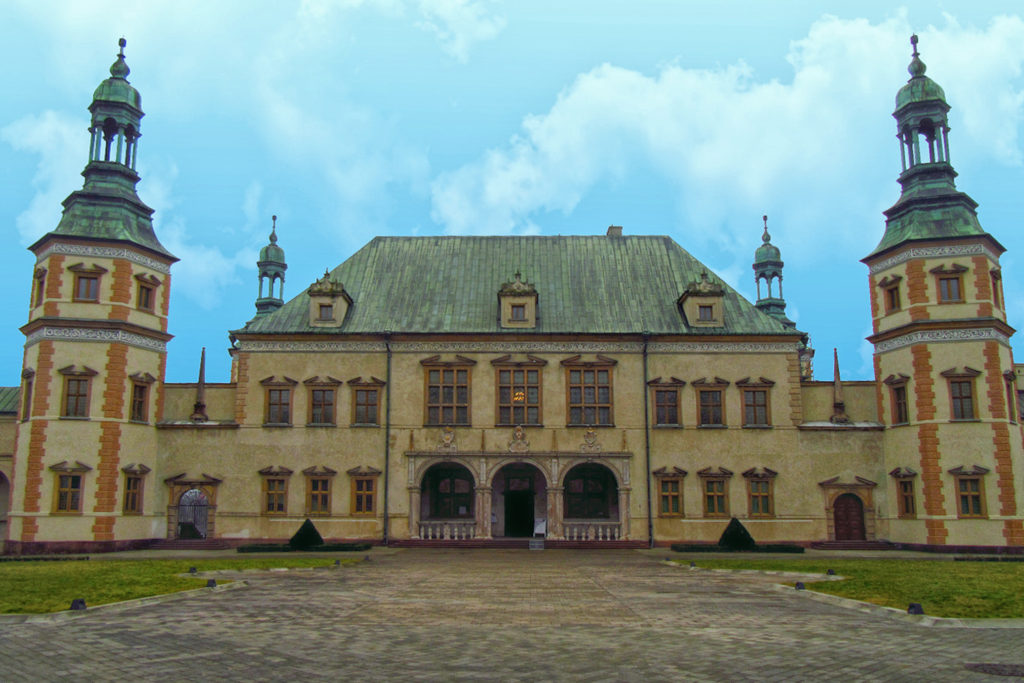
Kielce is a capital of the Świętokrzyskie voivedship. It was only the last two centuries that determined the town’s development into the biggest one in the province. Before it was just the small municipality in a shadow of royal towns of Sandomierz and Chęciny.
Despite that then-owners of Kielce, bishops of Cracow, erected many magnificent objects that we can still admire today on the Castle Hill. The former Palace of Bishops with Italian garden in the back and a cathedral are landmarks of the city even today.
Apart of mentioned buildings there is also city park, the main boardwalk – Sienkiewicz Street, a town square and, surprisingly, a bus station in form of a saucer. All those makes the city a charming one and stories told by a tour guide more interesting.
The bishops frequently visited Kielce, from time to time townsmen witnessed the king’s retinue. Well known polish writers lived and learn in a school here. For example, the most acclaimed literate born in Świętokrzyskie – Stefan Żeromski.
Kielce played a vital role in regaining independence by Poland after First World War as it was here, where polish army, Legions, was formed. It was a start of a road that led to the sovereign polish state after times of Partitions when Poland didn’t exist.
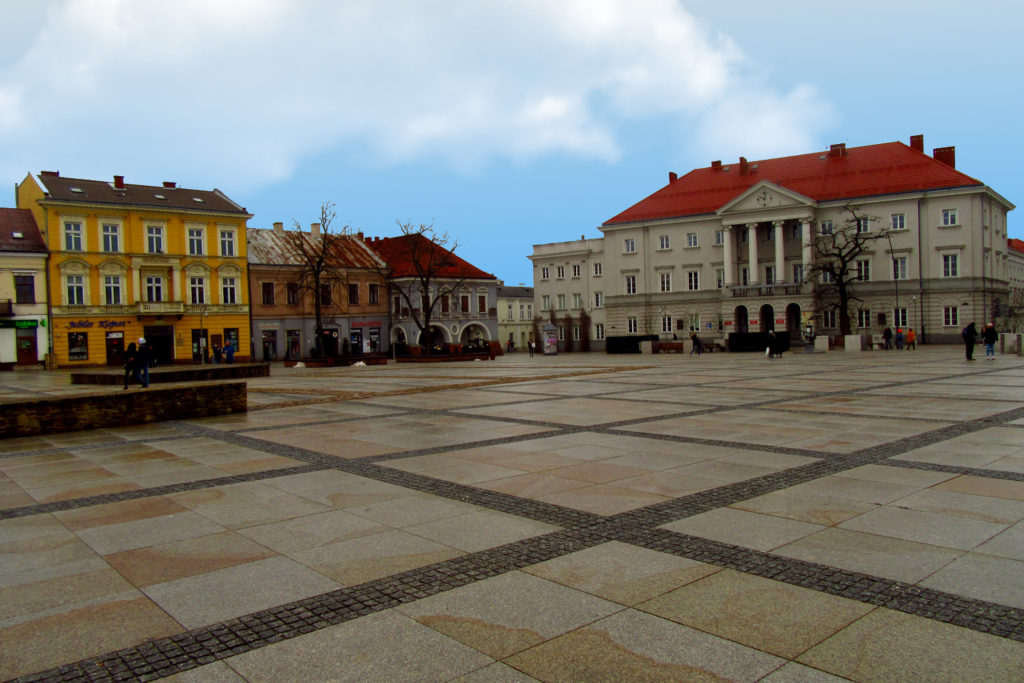
Kielce is unique in Europe in that it is the only city on the continent that has five geological, or strongly to geology linked as Karczówka, preserves within its perimeter.
Near the old town there is an amphitheatre in the Kadzielnia situated in a former quarry and next to a preserve – The Rock of Geologists. The whole Świętokrzyskie province is known for their rich geology. For example the famous Paradise Cave is just 20 minutes ride from here. On the Kadzielnia there are also three caves that one can visit by entering an underground passage.
The city is a good base to start an exploration of the Świętokrzyskie province. There are more attractions here like many units of the Polish National Museum and the only one in Europe – the Hammond Organs Museum, for instance.